Introduction
Featured Snippet Priority:
Matting is a common problem for dogs with long or curly coats, but it’s not just an aesthetic issue—it can cause discomfort, skin infections, and health problems if left untreated. Whether you have a Poodle, Shih Tzu, or a long-haired mixed breed, keeping your dog’s coat free of mats is crucial. This guide will teach you how to prevent matting, how to safely remove mats, and the best tools and techniques for maintaining a healthy, tangle-free coat. With the right grooming routine and care, matting can be avoided, keeping your dog comfortable and happy.
Why Dog Coat Matting Happens
Why This Matters Now:
Matting occurs when the hair becomes tangled and knotted, and it can happen for a variety of reasons. Left unchecked, mats can pull on your dog’s skin, causing discomfort and leading to potential skin issues like rashes or sores. Understanding why matting occurs and how to spot it early can help you prevent it from becoming a bigger problem. Regular grooming, brushing, and care can help avoid the pain and stress caused by mats.
https://youtu.be/LEFGJhwQ2-k
1. Common Causes of Dog Coat Matting
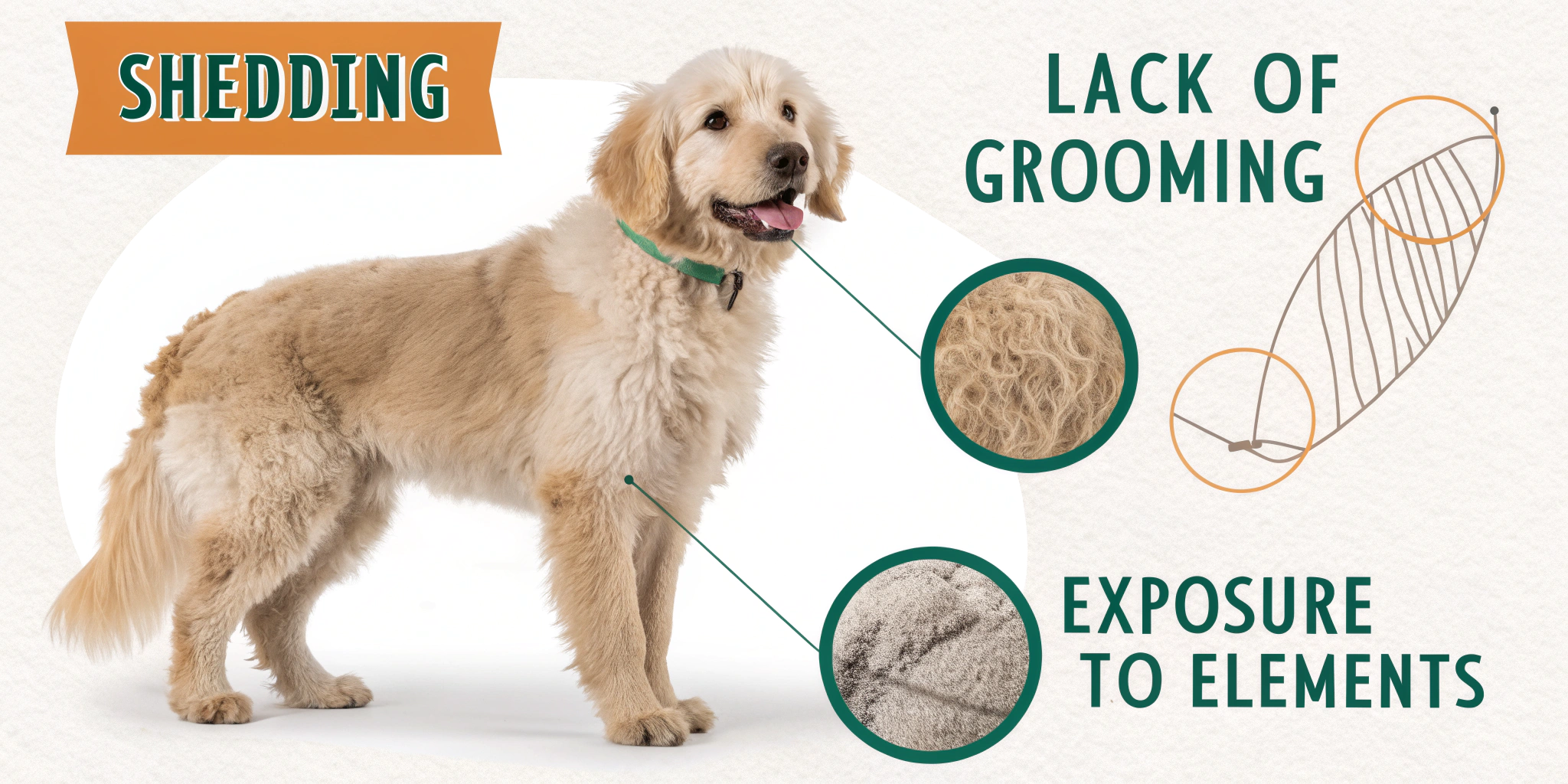
Lack of regular grooming: Without regular brushing, long-haired and curly coats are prone to tangling. Mats can form quickly if you miss a few grooming sessions.
Wet or damp fur: Wet fur, especially after baths or rainy walks, is more prone to matting. If not dried properly, it can tangle and form knots.
Friction: Dogs who run through bushes or roll around in the grass can get mats in areas where the fur rubs against surfaces.
Genetics: Certain dog breeds, such as Poodles, Cocker Spaniels, and Shih Tzus, have coats that naturally mat more easily due to their coat texture.
2. How to Prevent Dog Coat Matting
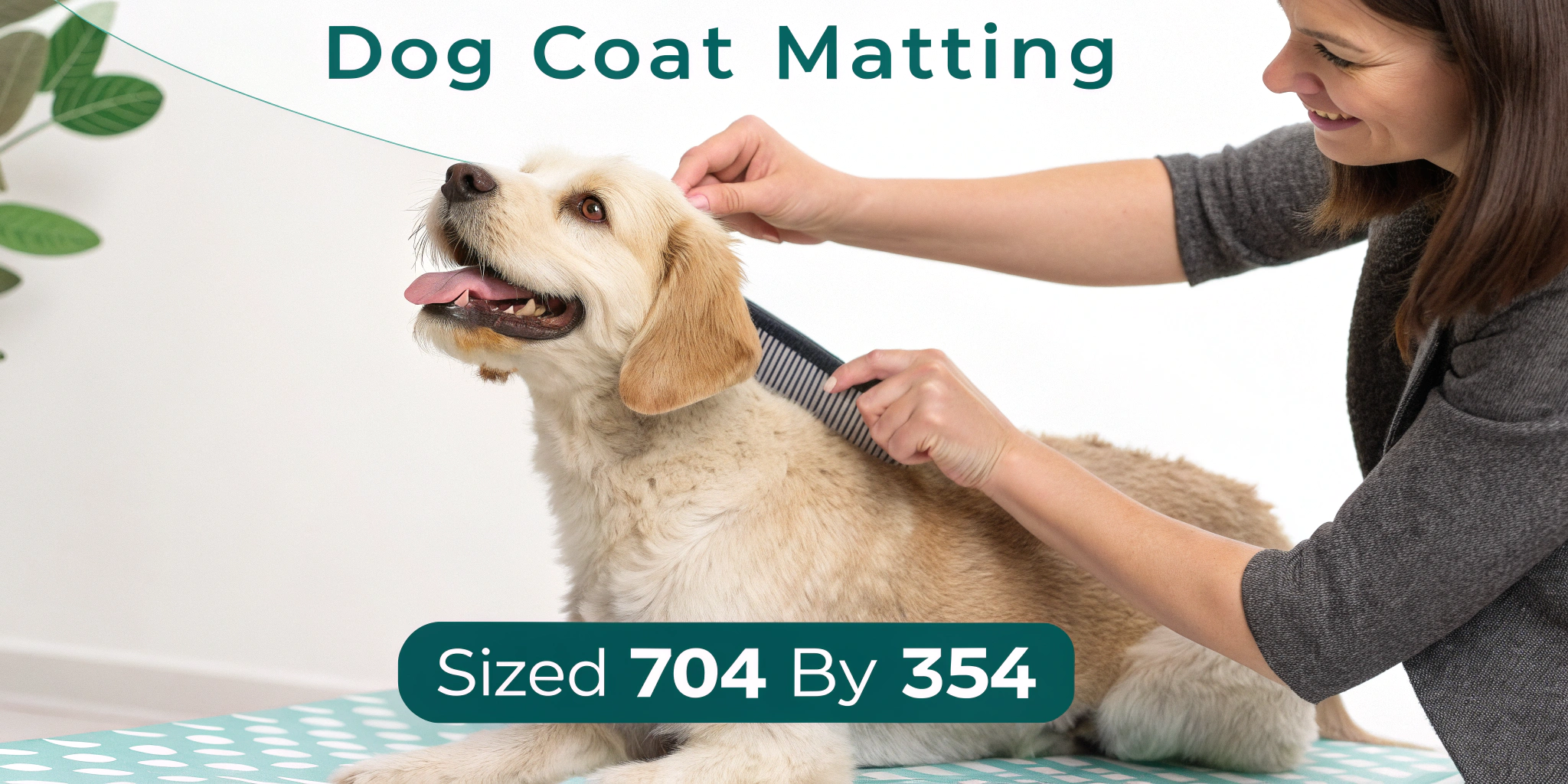
Regular brushing: Brushing your dog’s coat regularly is the best way to prevent mats from forming. The frequency of brushing depends on your dog’s coat:
Short-haired dogs: Brush once a week to remove loose hair and dirt.
Long-haired dogs: Brush several times a week to prevent tangles and mats.
Curly or wiry coats: Dogs with curly or wiry hair, like Poodles or Schnauzers, need frequent brushing to keep their coat manageable.
Bathing and drying properly: After a bath, make sure to thoroughly dry your dog’s coat with a towel and blow dryer on a low setting. Brush their coat while it’s still damp to prevent matting.
Use anti-matting sprays: Anti-matting sprays or leave-in conditioners can help detangle fur and reduce friction that causes mats.
Maintain coat health: A healthy coat is less likely to mat. Ensure your dog is on a balanced diet rich in omega-3 fatty acids and other nutrients that promote skin and coat health.
3. How to Remove Mats Safely
Use the right tools: A mat comb, dematting rake, or slicker brush is designed to carefully work through mats without pulling too hard on your dog’s fur. If mats are severe, you may need a professional grooming session.
Work slowly and gently: Start from the edge of the mat and gently work your way towards the skin. Never try to pull out the mat in one go, as it can hurt your dog and cause irritation.
Use a detangling spray: If the mat is tough, you can apply a detangling spray or leave-in conditioner to loosen it before brushing. This makes it easier to comb through the mat without hurting your dog.
Trim mats carefully: If you can’t untangle the mat, you may need to trim it. Use blunt-tipped scissors and be extra cautious around sensitive areas like the ears, armpits, and paws. If you’re unsure, it’s always safer to take your dog to a groomer.
https://www.youtube.com/watch?
4. When to Seek Professional Help
Severe matting: If your dog’s coat is severely matted and you’re unable to safely remove the mats at home, it’s best to consult a professional groomer. They have the right tools and experience to handle mats without causing harm.
Sensitive or elderly dogs: Some dogs may be more sensitive or uncomfortable with the grooming process. For dogs who are older, frail, or have sensitive skin, it’s safer to leave mat removal to a professional.
When mats cause skin irritation: If mats are pulling on your dog’s skin and causing discomfort, redness, or sores, you should consult your vet or a groomer immediately to avoid further injury.
Information Gain & Contrarian Analysis:
While many pet owners believe that matting is just a cosmetic issue, the truth is that mats can lead to serious skin problems. Mats create areas where moisture and bacteria can build up, leading to hot spots, infections, or sores. Don’t wait until mats are severe—regular grooming and early intervention are key to preventing long-term issues. Another common misconception is that only long-haired dogs get mats, but even short-haired or wiry-coated dogs can form mats, especially if they have thick or dense fur.
Unique Section: Myth vs. Reality: Can I Ignore Matting in My Dog’s Coat?
A common myth is that matting doesn’t need immediate attention as long as the dog seems comfortable. However, mats can cause serious discomfort and even lead to skin infections. They can also cause the skin to become irritated, leading to painful sores and rashes. The reality is that matting should always be addressed quickly to avoid complications. Even small mats should be dealt with promptly before they become larger, harder-to-remove problems.
FAQ
How can I prevent my dog’s coat from matting?
Brush your dog regularly, keep the coat clean and dry, and trim areas prone to tangles.
What should I do if my dog’s coat is severely matted?
Avoid cutting mats yourself and take your dog to a professional groomer or vet to prevent injury.
How often should I brush my dog to prevent matting?
Brush daily for long or curly coats and at least 2–3 times a week for short coats.
Can I use human conditioners to prevent mats in my dog’s coat?
No, human conditioners can irritate your dog’s skin—use dog-specific conditioners only.
How do I safely remove mats from my dog’s coat at home?
Use a detangling spray, gently work mats apart with your fingers, and use a mat splitter carefully.
What’s the best grooming tool for dealing with dog mats?
A slicker brush, mat splitter, and wide-tooth metal comb are most effective for mats.
How can I keep my dog’s coat shiny and healthy while preventing mats?
Maintain regular grooming, feed a nutritious diet, use proper grooming products, and avoid over-bathing.
Conclusion:
Matting can be uncomfortable for your dog, but with regular grooming and preventive care, you can keep your dog’s coat tangle-free and healthy. Brushing your dog’s coat regularly, choosing the right tools, and addressing mats early are all essential steps to prevent discomfort and maintain a clean, shiny coat. If mats do develop, don’t panic—follow the steps for safe removal or consult a professional groomer to ensure your dog stays comfortable and happy.
Internal & External Links Suggestions:
Dog Coat Care: Complete Guide to Grooming and Maintenance
How to Deal with Dog Coat Matting: Prevention Tips & Solutions
External Link: American Kennel Club: Coat Care Tips for Dogs