Introduction
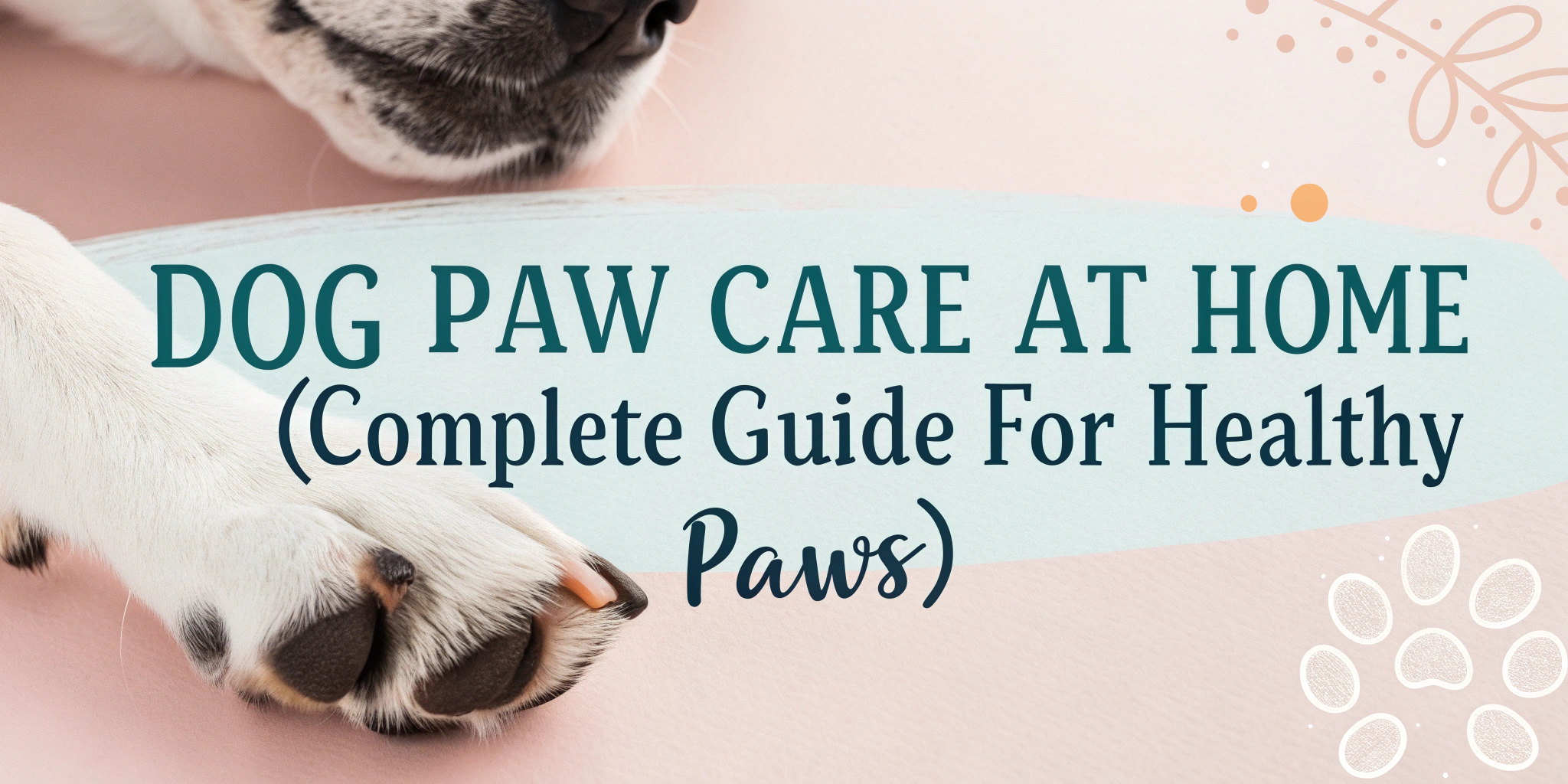
Dog Paw Care at Home is essential for every dog owner who wants to ensure their furry friend remains healthy, active, and happy. While most pet parents pay attention to feeding, vaccination, and general hygiene, paw care is often overlooked. Dogs rely on their paws for walking, running, playing, and exploring their surroundings, making them one of the most critical parts of their anatomy. Neglecting paw care can lead to discomfort, infections, injuries, and even mobility issues, which can significantly affect your dog’s quality of life. Understanding the importance of dog paw health and knowing how to maintain it at home can prevent problems and save you trips to the veterinarian.
The paw of a dog is a complex structure made up of sensitive pads, claws, and soft tissue. These pads act as shock absorbers, cushioning the impact of running or jumping, while the claws provide traction and support. Everyday activities, however, expose a dog’s paws to dirt, bacteria, harsh surfaces, and even extreme weather conditions. Walking on hot asphalt during summer, icy sidewalks in winter, or rough terrains during hikes can cause cracks, burns, or abrasions. Additionally, nails that grow too long can alter the dog’s gait, causing pain and strain on the joints. Regular at-home paw care ensures that these issues are minimized and that your dog can enjoy all activities safely.
One of the first steps in dog paw care at home is routine inspection. By examining your dog’s paws daily, you can quickly identify signs of injury, infection, or foreign objects like thorns and splinters. Check between the toes and around the pads for swelling, redness, or unusual discharge. Early detection allows for prompt treatment, which can prevent minor issues from escalating into serious problems. In addition to visual checks, gently massaging your dog’s paws can help improve blood circulation and make your pet accustomed to handling, which will make future grooming sessions easier.
Why Paw Care Matters
Why This Matters Now:
Dogs’ paws are exposed to dirt, rough surfaces, extreme weather, and chemicals (like road salt). Regular paw care:
Prevents cracked pads and infections
Reduces the risk of injuries
Improves comfort while walking or running
Helps identify paw problems early
1. Inspecting Your Dog’s Paws
Check pads, nails, and toes for cuts, cracks, swelling, or redness.
Remove debris like pebbles, sticks, or burrs.
Look for signs of irritation, fungal infections, or foreign objects.
2. Cleaning Your Dog’s Paws
Use lukewarm water to rinse paws after walks.
Gently wipe with a soft cloth or pet-safe wipes.
Dry thoroughly to prevent fungal or bacterial infections.
Optional: Apply mild antiseptic spray if cuts or scrapes are present.
3. Moisturizing and Protecting Paws
Use dog-safe paw balms or moisturizers for dry or cracked pads.
Avoid human lotions—they can be toxic if licked.
Apply balm daily in winter or after hot summer walks on asphalt.
Paw wax can protect pads from harsh surfaces.
4. Trimming Hair Between Paw Pads
Long hair can collect dirt, ice, and debris.
Use round-tip scissors or clippers to trim excess hair.
Be careful to avoid cutting the paw pad or skin.
5. Nail Care & Paw Health Connection
Trim nails regularly: Overgrown nails can change gait and stress joints.
Use dog clippers or grinders for safe trimming.
Paw health improves with regular nail maintenance.
6. Seasonal Paw Care Tips
Winter: Clean snow/ice and apply paw balm to prevent cracks.
Summer: Avoid hot pavements; paw wax protects pads from burns.
Rainy season: Keep paws dry to prevent fungal infections.
Information Gain & Contrarian Analysis:
Many paw care guides focus only on moisturizing. However, inspection, cleaning, hair trimming, and seasonal care are equally important. Neglecting these steps can cause chronic pad injuries or infections.
Unique Section: Myth vs. Reality: Dog Paw Care
Myth: Dogs’ paws are naturally tough; no care is needed.
Reality: Paws are sensitive and prone to injuries, infections, and cracks.
Tip: Combine cleaning, moisturizing, and nail trimming for complete paw care.
FAQ
Q1: How often should I check my dog’s paws?
Check after every walk or at least once a week.
Q2: Can human lotion be used on dog paws?
No, it can be toxic if licked. Use dog-safe balms or paw wax.
Q3: How do I prevent paw infections?
Keep paws clean and dry, trim hair, apply moisturizer, and check for injuries.
Q4: How often should I trim hair between paw pads?
Every 2–4 weeks depending on hair growth and activity.
Q5: Are paw balms necessary in summer?
Yes, they protect pads from hot asphalt or rough surfaces.
Conclusion:
Regular paw care is essential for your dog’s comfort, mobility, and overall health. By following these steps—inspection, cleaning, moisturizing, hair trimming, and seasonal protection—you can keep your dog’s paws strong, healthy, and pain-free.
Internal & External Links Suggestions:
Dog Paw Care at Home: Complete Guide for Healthy Paws
Dog Paw Care at Home: Complete Guide for Healthy Paws
External Link: American Kennel Club: Dog Paw Care