
Introduction
Dog grooming at home is an essential part of keeping your dog healthy, comfortable, and happy. Whether you have a fluffy Poodle or a short-haired Beagle, knowing the right grooming techniques helps maintain hygiene, prevent skin issues, and strengthen your bond with your pet. This guide walks you through every step—from gathering the right tools to brushing, bathing, nail trimming, drying, and finishing touches—so you can confidently groom your dog at home. Regular grooming isn’t just about appearance.
Why Dog Grooming is Crucial for Your Dog’s Health
Why This Matters Now:
Grooming is about more than just keeping your dog looking good—it’s a key component of their overall health. Regular grooming helps prevent skin conditions, matting, and nail injuries. It’s an opportunity to bond with your dog and check for potential health issues like skin infections, ticks, or fleas. Grooming also helps reduce shedding, keeps your dog’s coat shiny, and promotes good hygiene.
https://www.youtube.com/watch?
1. Preparing for the Grooming Session
Select a safe space: Choose an area where your dog feels relaxed, like a quiet room or a secure outdoor area.
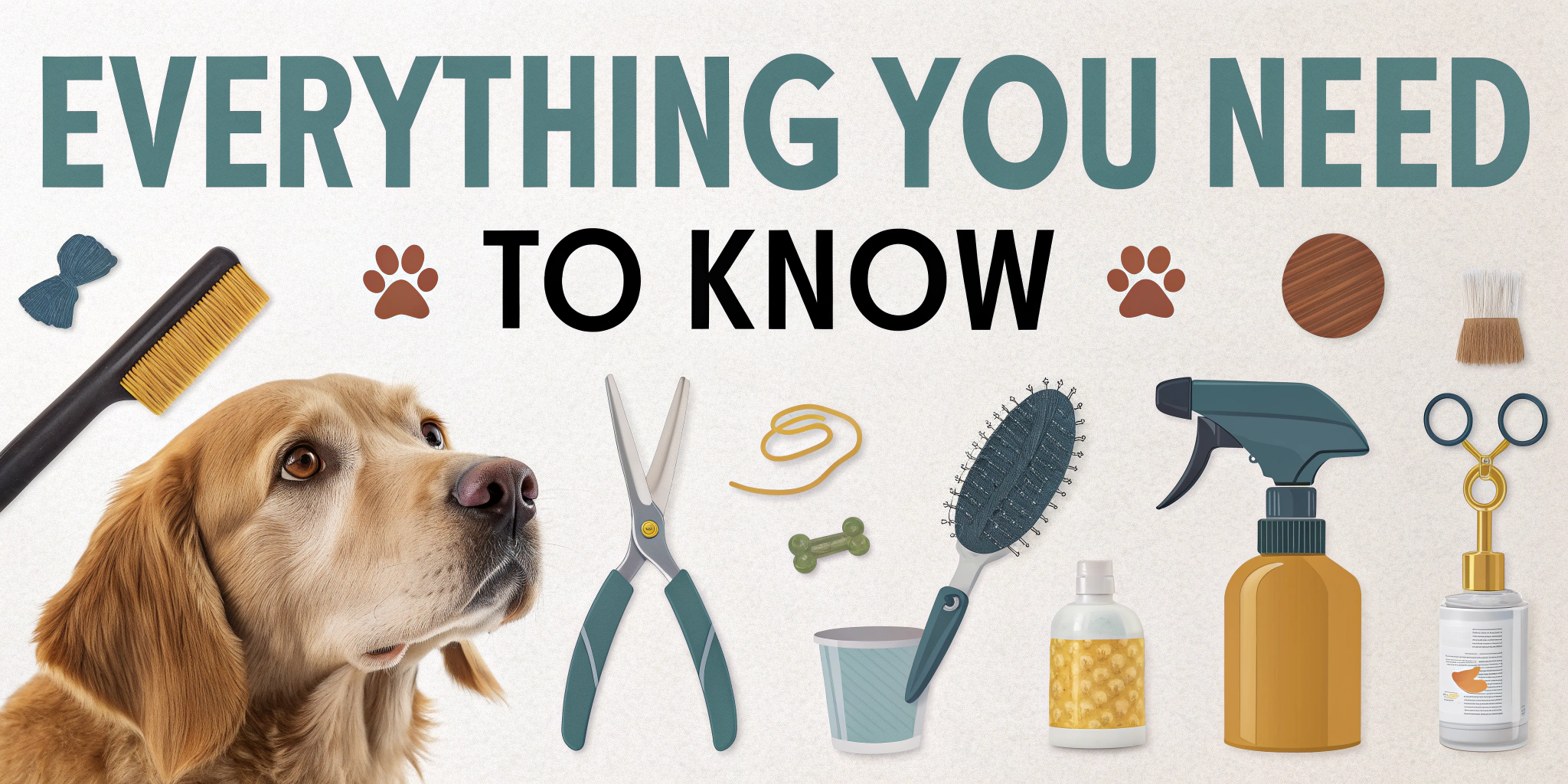
Gather your tools: A good brush, nail clippers, dog shampoo, a towel, and a blow dryer (optional) are essential.
Know your dog’s breed-specific needs: Some dogs may require more frequent grooming or special care, such as regular nail trimming for breeds like Dachshunds or Poodles.
2. Brushing and Detangling Your Dog’s Coat
Start with dry fur: Begin by brushing your dog’s dry coat to remove tangles and mats.
Use the right brush for your dog: Slicker brushes are great for long-haired breeds, while bristle brushes work well for short-haired dogs.
Brush in sections: Divide your dog’s coat into manageable sections for thorough brushing.
https://www.youtube.com/watch?
3. Bathing Your Dog
Use lukewarm water: Make sure the water isn’t too hot or cold to keep your dog comfortable.
Choose a gentle, dog-specific shampoo: Never use human shampoo on your dog as it can dry out their skin.
Focus on the essentials: Wash your dog’s body first, then their head, and finish by rinsing thoroughly to remove all shampoo residue.
4. Nail Trimming
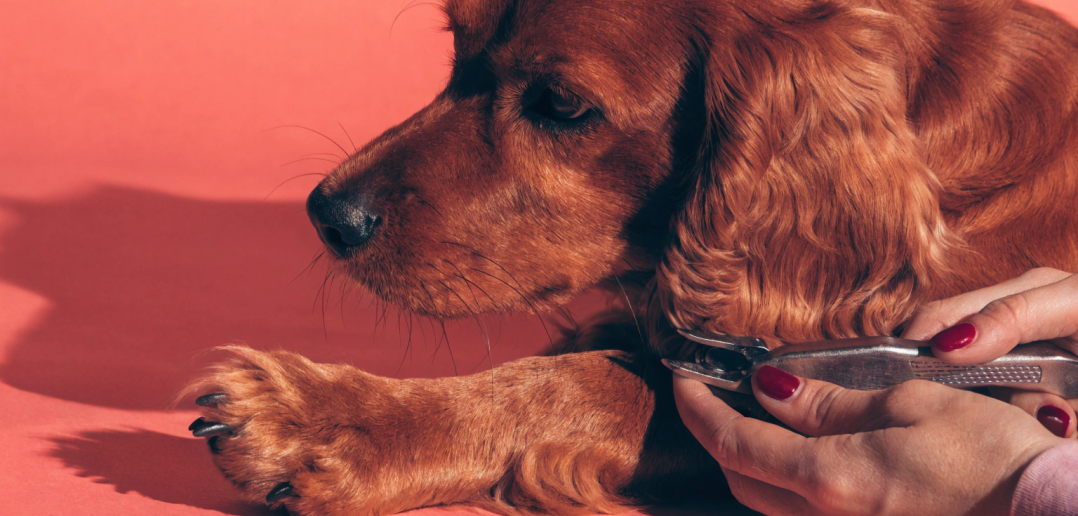
Tools you’ll need: Use high-quality, sharp nail clippers designed for dogs. If you’re not sure how to trim, consider a grinder for a smoother finish.
Trim carefully: Only cut a small amount at a time, and avoid cutting too close to the quick, which can cause bleeding.
Safety tips: If you’re unsure, it’s best to seek guidance from a vet or professional groomer before trimming.
5. Drying and Finishing Touches
Dry your dog thoroughly: Gently towel-dry your dog first, then use a blow dryer on a low setting if your dog tolerates it. Be careful not to burn their skin.
Finishing grooming: Once dry, give your dog’s coat a final brushing to remove loose fur and give their coat a shiny finish.
Information Gain & Contrarian Analysis:
A lot of grooming guides focus primarily on the process, but often miss the importance of the dog’s emotional comfort during grooming. Dogs can get stressed out by unfamiliar tools or rough handling, which can lead to grooming anxiety. To reduce stress, always start slow and use positive reinforcement—treats, calm petting, and short sessions work wonders. Additionally, did you know that dogs with regular grooming are less likely to develop mats, skin infections, and even anxiety during future grooming sessions? It’s all about consistency and a calm approach.
Unique Section: Practical Insight from Experience: Grooming Multiple Dogs at Once
If you have more than one dog, grooming can become a logistical challenge. Here’s how to handle multiple dogs without getting overwhelmed:
Space management: Groom one dog at a time to avoid distractions and confusion.
Short, regular sessions: Break the grooming into shorter, more frequent sessions to avoid burnout—both for you and your dog.
Routine: Establish a grooming routine so your dogs can get used to the process and stay calm.
FAQ
Q: How often should I groom my dog at home?
A: Groom your dog every 4–6 weeks, with regular brushing based on coat type.
Q: What are the essential tools for grooming my dog?
A: Basic tools include a brush, comb, dog shampoo, nail clippers, and ear cleaner.
Q: Can I use human shampoo to bathe my dog?
A: No, human shampoo can upset their skin—use dog-friendly shampoo.
Q: How do I trim my dog’s nails without hurting them?
A: Clip small amounts at a time and avoid cutting into the quick.
Q: What should I do if my dog is scared of grooming?
A: Go slowly, use treats, and keep sessions short and positive.
Q: Is it safe to groom my dog myself or should I hire a professional?
A: Home grooming is safe for basics, but pros help with tricky tasks or heavy coats.
Q: How do I prevent my dog from shedding too much?
A: Brush regularly, use de-shedding tools, and maintain a healthy diet.
Conclusion:
Proper grooming is an integral part of your dog’s health routine. By following this guide, you’ll keep your dog comfortable, looking great, and healthy all year round. Regular grooming helps identify potential health issues early, reduces shedding, and keeps your dog’s coat and nails in good condition. Whether you’re a beginner or experienced groomer, consistent care is the key to a happy and healthy dog.
Internal & External Links Suggestions:
https://pawlisha.com/wp/2025/12/31/dog-bathing-at-home/
https://pawlisha.com/wp/2025/12/31/dog-grooming-checklist/
External Link: American Kennel Club: Grooming Tips


