
Introduction
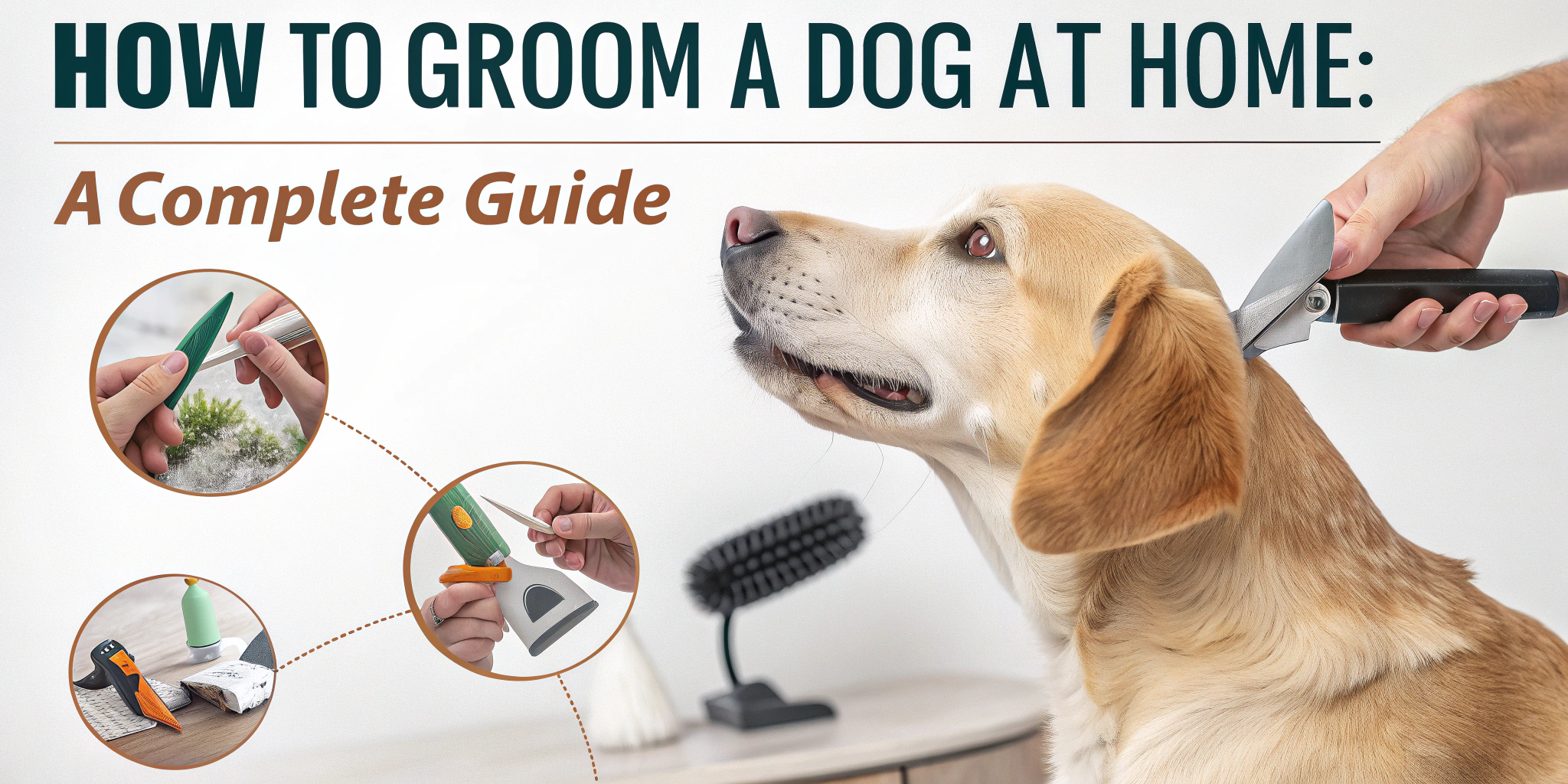
Dog grooming at home is an easy and cost-effective way to keep your furry friend healthy, clean, and happy. Grooming at home not only saves money but also strengthens the bond between you and your dog. With the right tools and techniques, you can manage everything from brushing and bathing to nail trimming, even if you’re a beginner. This guide covers essential grooming tips, coat care advice, and scheduling strategies to help your dog look and feel their best, all without a trip to the professional groomer.
Why Grooming at Home Matters
Why This Matters Now:
Home grooming has become increasingly popular for many reasons—budget-friendly, time-efficient, and an opportunity for deeper bonding with your pet. Additionally, understanding grooming helps prevent common skin irritations and discomfort caused by untrimmed nails and mats.
https://www.youtube.com/watch?
1. Choosing the Right Tools for Your Dog
Essential grooming tools: A brush, clippers, comb, and dog shampoo are the most important tools for grooming.
Tailored tools for your dog’s coat: Long-haired dogs benefit from slicker brushes, while short-haired dogs are best groomed with bristle brushes.
Tools to avoid: Human brushes or clippers can irritate your dog’s skin and coat. Always choose dog-specific tools for best results.
2. Bathing and Brushing Basics
How often should you bathe your dog? Overbathing can strip your dog’s natural oils, so avoid frequent baths unless necessary. Most dogs only need a bath once every 4–6 weeks.
Brushing technique: Brushing your dog’s coat regularly helps reduce shedding and matting. Start from the head and move down to the tail, brushing in the direction of the fur.
https://www.youtube.com/watch?
3. Understanding Coat Types and Grooming Needs
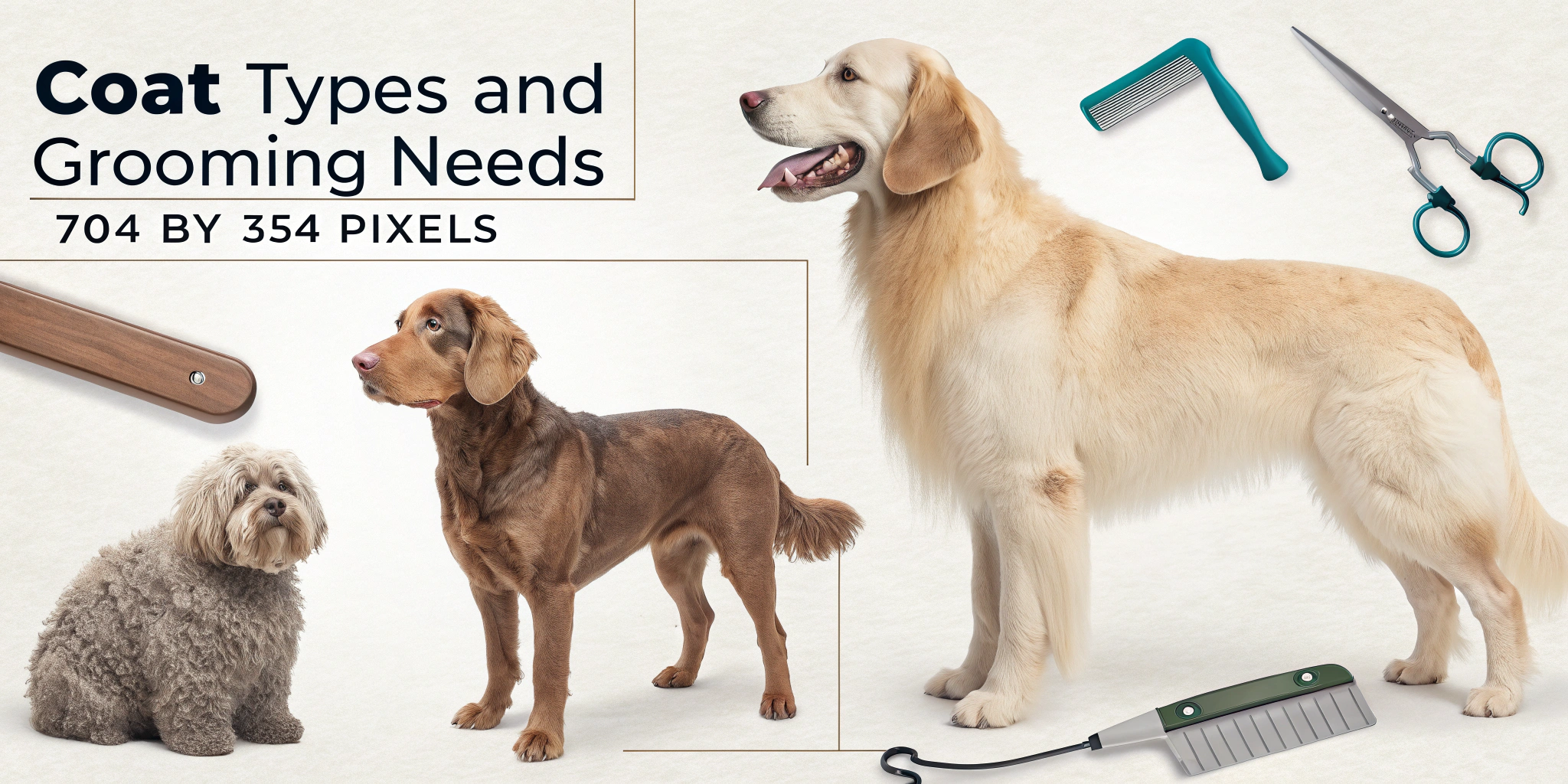
Long-haired vs. short-haired dogs: Long-haired dogs need more frequent brushing to avoid tangles and mats. Short-haired dogs shed more but require less frequent grooming.
Breed-specific grooming: Some breeds, such as Poodles, need regular trimming. Others, like Bulldogs, need more attention to skin folds. Research your dog’s specific grooming needs.
4. Grooming Frequency and Schedule
How often should you groom your dog? Depending on the breed, most dogs require grooming every 4–6 weeks. Dogs with long hair need more frequent grooming.
Setting a grooming schedule: Creating a consistent grooming routine helps your dog get used to the process. Schedule time once a week to brush your dog and check for skin irritations.
Information Gain & Contrarian Analysis:
A common misconception among beginners is that all dogs need the same grooming routine. In reality, grooming schedules and techniques should vary greatly depending on your dog’s coat type, breed, and activity level. For example, a dog with a thick double coat will need a different approach than a dog with a short, fine coat. Here’s a breakdown of grooming needs based on dog activity: active dogs may need more frequent baths due to outdoor exposure, while less active dogs may not need baths as often.
Unique Section: Real-World Scenario: Grooming Your Rescue Dog for the First Time
Rescue dogs often come with a variety of emotional and physical needs. Many have experienced neglect or lack of grooming, making them anxious during grooming sessions. When grooming a rescue dog for the first time, approach the process slowly and with patience. Start by introducing them to the grooming tools, allowing them to sniff the brushes or clippers. Offer plenty of praise and treats, and take breaks if your dog seems stressed. Always go at your dog’s pace and use positive reinforcement.
FAQ
Q: What are the best dog grooming tools for beginners?
A: A slicker brush, comb, dog shampoo, nail clippers, towels, and ear cleaner are great basics.
Q: How often should I bathe my dog?
A: Bathe every 4–8 weeks depending on coat type and how active they are.
Q: Can I use human shampoo for my dog?
A: No, human shampoo can irritate dog skin—use a dog-safe shampoo instead.
Q: What should I do if my dog is afraid of grooming?
A: Introduce tools slowly, use treats, and keep sessions short and positive.
Q: How can I tell if my dog’s coat needs grooming?
A: Matted fur, tangles, dull coat, odor, or excess shedding mean it’s time to groom.
Q: Should I get professional grooming services or do it at home?
A: Home is fine for basics, while pros are better for thick coats or detailed grooming.
Q: How do I deal with shedding in my dog?
A: Brush regularly, use de-shedding tools, and support skin health with good nutrition.
Conclusion:
Dog grooming doesn’t have to be a stressful or expensive task. By following these simple tips, you can maintain your dog’s health and appearance, saving money while building a deeper bond with your pet. Start slow, use the right tools, and remember that grooming is a rewarding experience for both you and your dog. Stick to a routine, and soon your dog will look forward to grooming time.
Internal & External Links Suggestions:
https://pawlisha.com/wp/2025/12/31/dog-grooming-at-home-guide/
https://pawlisha.com/wp/2025/12/31/dog-grooming-at-home/
External Link: American Kennel Club: Grooming Tips


