
Introduction
Dog paw care is essential for keeping your dog comfortable, healthy, and injury-free. Whether your dog enjoys outdoor adventures or mostly stays indoors, maintaining healthy paw pads prevents cracks, burns, and infections. Regular inspections, proper moisturizing, and protective measures during hot summers or cold winters ensure your dog’s paws stay in top condition. This guide will walk you through the best practices for dog paw care, including moisturizing tips, seasonal protection, and how to spot early signs of paw problems.
Why Paw Pad Care is Important
Why This Matters Now:
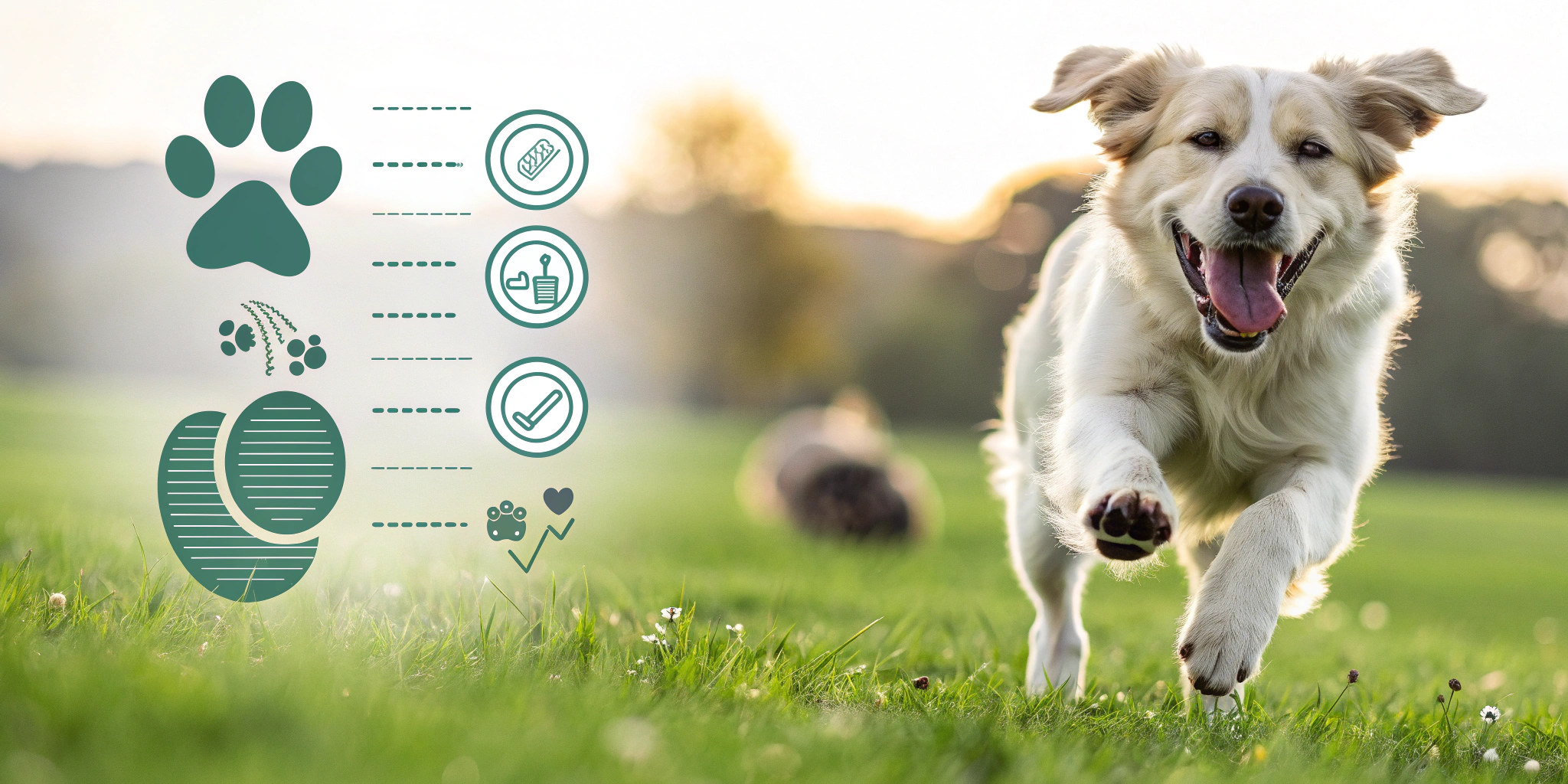
Dog paw pads are exposed to various elements, from hot pavement in the summer to cold, salty roads in the winter. Without proper care, your dog can develop cracked paws, injuries, or infections. Paw pads also serve as shock absorbers and provide traction, so keeping them in good shape is key to your dog’s overall mobility and comfort. Regular paw care not only prevents injury but also ensures your dog stays comfortable during walks, playtime, and other activities.
1. Regular Paw Inspections
Check for cuts, cracks, or abrasions: Look over your dog’s paw pads after every walk, especially if they’ve walked on rough or hard surfaces.
Check between the toes: Dirt, debris, and even small rocks can become lodged in between your dog’s toes, which can cause irritation or infection.
Watch for redness or swelling: These could be signs of injury or infection that require attention.
https://www.youtube.com/watch?
2. Moisturizing Your Dog’s Paws
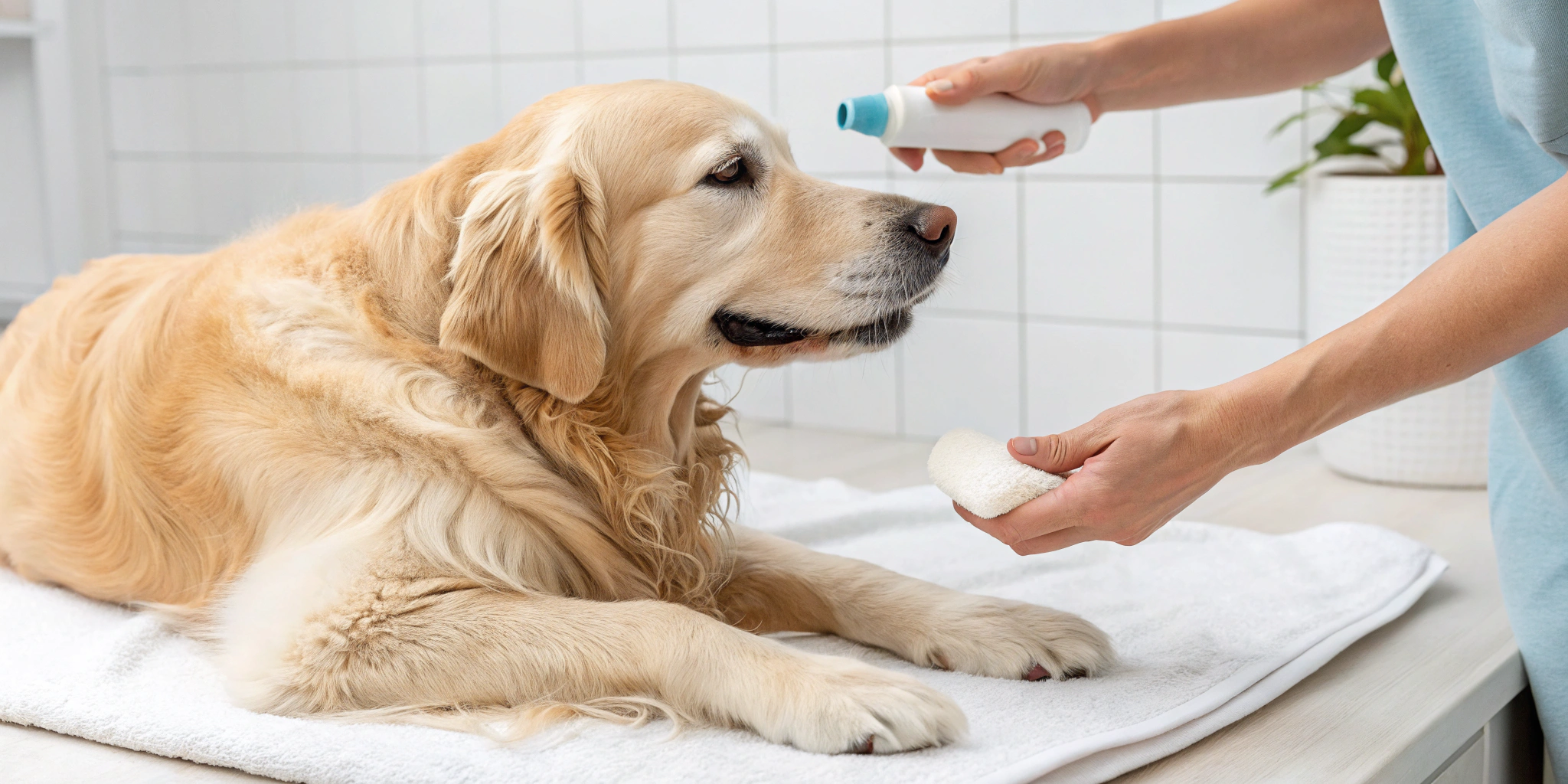
Use paw balm or moisturizer: Dogs, especially those who walk on hot or cold surfaces, can experience dry, cracked paw pads. Use a paw balm designed specifically for dogs to moisturize their pads and prevent cracking.
Pet-safe oils: You can also use natural oils, like coconut oil, to hydrate their paws if they’re dry.
Avoid human lotions: Never use human lotion on your dog’s paws, as it may contain ingredients harmful to them.
3. Protecting Your Dog’s Paws in Hot and Cold Weather
Hot weather protection: During the summer months, pavement can reach temperatures that can burn your dog’s paws. Limit walks to early mornings or evenings when the pavement is cooler, or use dog booties for added protection.
Cold weather protection: In winter, salt and ice can irritate your dog’s paws. After walks, wipe their paws with a wet cloth to remove salt, or use paw wax to protect their pads from the cold.
https://www.youtube.com/watch?
4. Nail Care and Paw Pad Health
Trim nails regularly: Long nails can cause discomfort and even interfere with walking. Keep your dog’s nails trimmed, so they don’t affect paw pad health.
Check for nail injuries: Inspect your dog’s nails regularly for splits or breaks. A broken nail can be painful and lead to infection.
5. Signs of Paw Problems to Watch For
Limping or favoring one paw: If your dog is limping or avoiding putting weight on a particular paw, it could indicate an injury or irritation.
Excessive licking or chewing: If your dog is obsessively licking or chewing their paws, it could be a sign of discomfort or infection.
Infections or growths: Look out for abnormal growths or signs of infection like pus or swelling. Consult your vet immediately if you notice anything unusual.
Information Gain & Contrarian Analysis:
Many pet owners believe that paw pads are tough and don’t require much attention, but in reality, they can be quite sensitive. While you may not need to moisturize your dog’s paws after every walk, if your dog walks a lot on hard surfaces like concrete or asphalt, it’s important to apply paw balm regularly to prevent dryness and cracking. Additionally, paw pad health is often a reflection of your dog’s overall health—issues with paw pads can be a sign of underlying conditions like allergies or infections.
Unique Section: Myth vs. Reality: Dog Booties Aren’t Always Necessary
One common myth is that dog booties are the best way to protect your dog’s paws in all weather conditions. While they are useful for extreme conditions like snow or hot pavement, they’re not always necessary. In fact, some dogs may find booties uncomfortable or refuse to wear them. Paw balm and careful monitoring can often be just as effective for keeping your dog’s paws healthy, especially if you know the signs of discomfort and are proactive in your care routine.
FAQ
How often should I check my dog’s paws?
Check your dog’s paws daily, especially after walks or outdoor play.
What’s the best way to treat dry or cracked paw pads?
Use a dog-safe paw balm or moisturizer and keep the paws clean.
Can I use human lotion on my dog’s paws?
No, human lotion can be harmful if licked; use dog-safe products only.
How do I prevent my dog from getting burned paws on hot pavement?
Walk your dog during cooler hours or use dog booties to protect paws.
Is it normal for my dog to lick their paws a lot?
Occasional licking is normal, but excessive licking may indicate irritation or injury.
How do I know if my dog has a paw injury?
Look for limping, swelling, bleeding, cuts, or excessive licking.
Are dog booties necessary, or is paw balm enough?
Booties offer extra protection in extreme conditions, while paw balm helps with dryness and minor protection.
Conclusion:
Caring for your dog’s paws is a simple but essential part of their grooming routine. By regularly inspecting their paws, moisturizing their pads, and taking the right precautions in different weather conditions, you can help ensure your dog’s comfort and health. Paw pad care is a small investment in your dog’s well-being that will pay off in the form of fewer injuries, infections, and a more comfortable, happy pet. Keep these tips in mind, and you’ll be able to maintain your dog’s paws in top shape year-round.
Internal & External Links Suggestions:
Trimming Dog Nails for Sensitive Dogs: Stress-Free Tips & Techniques
Dog Paw Pads Winter Care: Tips for Healthy Paws
External Link: American Kennel Club: Paw Health Tips


