Introduction
Trimming dog nails for sensitive dogs can be challenging, especially when anxiety, fear, or past negative experiences are involved. Many dogs react strongly to nail clippers, paw handling, or unfamiliar sounds, making routine grooming stressful for both pets and owners. With the right tools, gentle techniques, and a calm approach, nail trimming doesn’t have to be a struggle. This guide explains how to trim your dog’s nails safely while minimizing stress, helping sensitive dogs feel more comfortable and confident during grooming sessions.
Why Sensitive Dogs Struggle with Nail Trimming
Why This Matters Now:
Many dogs experience anxiety when it comes to nail trimming due to the sound of clippers, the sensation of having their paws handled, or past negative experiences. This stress can make nail trimming a challenging and sometimes painful experience, both for the dog and for the owner. Understanding why your dog is sensitive about nail trimming and addressing these issues can lead to a smoother, more comfortable grooming session.
https://www.youtube.com/results?search_query=Why+Sensitive+Dogs+Struggle+with+Nail+Trimming
1. Understanding Your Dog’s Anxiety Around Nail Trimming
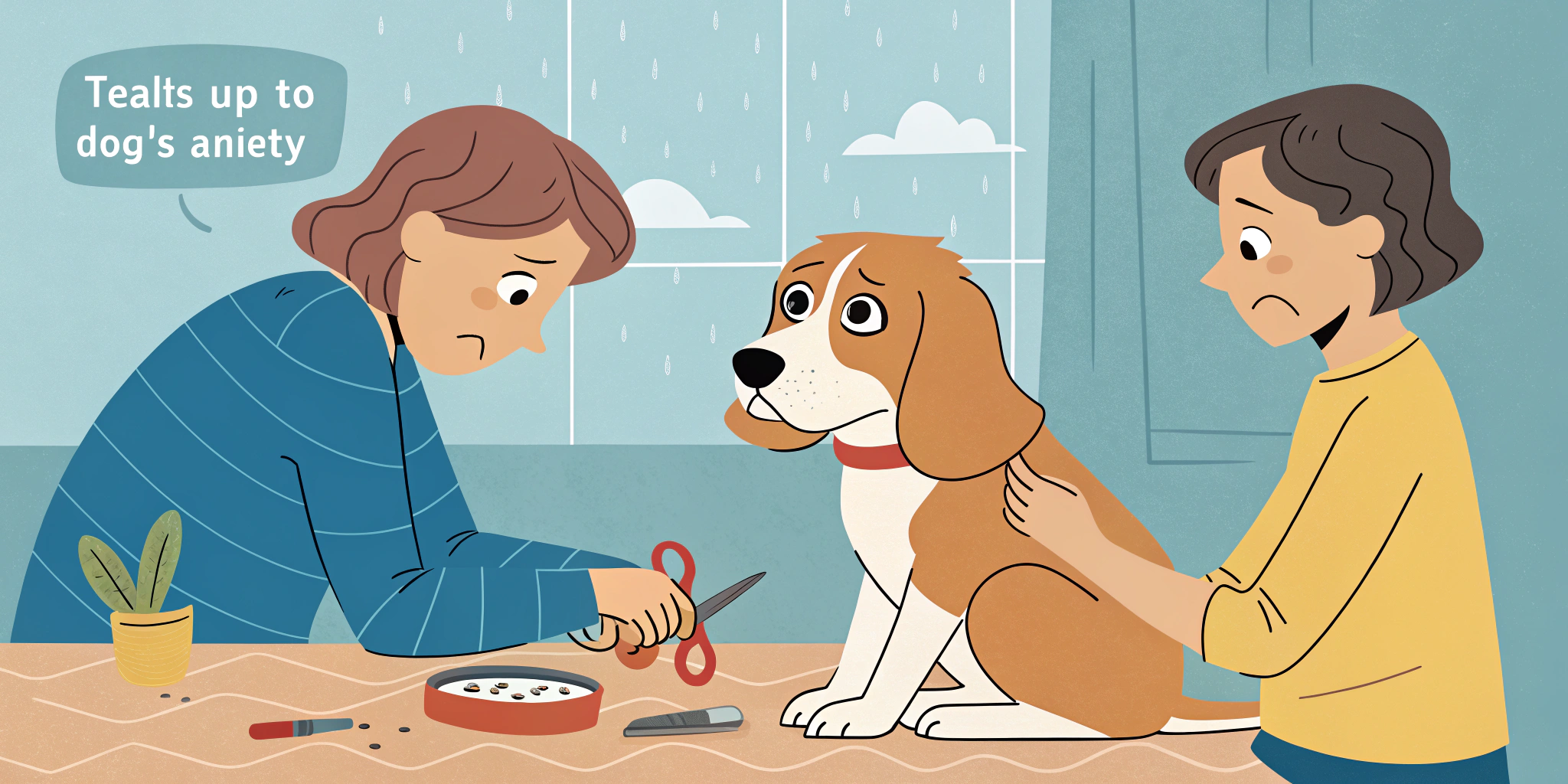
Fear of the unknown: Many dogs don’t like having their paws handled, especially if they haven’t been desensitized to the process.
Negative past experiences: If your dog has had a painful experience with nail trimming, such as cutting the quick, they may develop a fear of future grooming sessions.
Sensitivity to touch: Some dogs are naturally more sensitive to touch, making nail trimming more stressful for them.
2. How to Desensitize Your Dog to Nail Trimming
Start slow: Begin by gently handling your dog’s paws without clipping their nails. Gradually introduce them to the sound and feel of the clippers or grinders, starting with short sessions.
Use positive reinforcement: Reward your dog with treats, praise, and petting every time they allow you to handle their paws or use the clippers
Work in stages: If your dog is especially fearful, break down the nail trimming process into smaller steps. First, just get them used to having their paws touched, then gradually introduce the trimming tool.
https://www.youtube.com/results?search_query=How+to+Desensitize+Your+Dog+to+Nail+Trimming
3. Choosing the Right Tools for Sensitive Dogs
Nail grinders vs. clippers: Some dogs may find grinders less intimidating than clippers, as they produce a smoother, less jarring motion. If your dog is sensitive to the clippers’ “snipping” sound, a grinder can help reduce stress.
Quiet clippers: If you prefer to use clippers, opt for a quiet, high-quality pair that will minimize noise and vibration.
Paw pads and nail buffers: To prevent any sharp edges on the nails after trimming, use a nail buffer or grinder to smooth out rough areas.
4. Techniques for Trimming Sensitive Dogs’ Nails
Take it slow: Trim only a small portion of the nail at a time, especially if your dog is nervous. Go gradually to avoid accidentally hitting the quick.
Positioning your dog: Ensure your dog is in a calm and secure position. If your dog is small, you can hold them on your lap; if they’re large, try sitting them on the floor or placing them on a grooming table.
Use a partner: If possible, have a second person help hold your dog still while you trim their nails. This can make the process go more smoothly and reduce stress.
5. Aftercare: Comforting Your Sensitive Dog
Check for irritation: After trimming, inspect your dog’s nails and paws for any signs of discomfort, bleeding, or irritation. If you accidentally cut the quick, apply styptic powder to stop the bleeding.
Provide reassurance: Offer your dog plenty of praise and treats after the grooming session. Positive reinforcement helps create a more pleasant association with the process.
Paw balm: Apply a dog-safe paw balm or moisturizer to their paws after trimming to soothe any minor irritation.
Information Gain & Contrarian Analysis:
While many guides recommend taking a break if your dog is too anxious, some owners might not realize that over-praising during breaks can inadvertently reinforce nervous behavior. Instead, try to stay calm and consistent throughout the grooming session. Consistency is key in helping your dog adjust to nail trimming. Dogs thrive on routine, and over time, they’ll begin to associate nail trimming with positive experiences.
Unique Section: Practical Insight from Experience: Grooming a Nervous Rescue Dog
From experience, I’ve found that rescue dogs, who have often been through trauma or neglect, may be especially sensitive to nail trimming. Start by getting them comfortable with having their paws touched before even attempting to trim their nails. If your dog is fearful of clippers, consider starting with nail grinders, which have a less intrusive feel. With time and patience, you can teach your dog to trust the grooming process and make nail trimming a stress-free experience.
FAQ
How do I calm my dog down during nail trimming?
Use treats, gentle praise, and take breaks to keep your dog relaxed.
Can I use a nail grinder for my sensitive dog?
Yes, a nail grinder is often gentler and reduces the risk of cutting too short.
What should I do if my dog won’t let me trim their nails?
Start slowly, use positive reinforcement, and consider a professional groomer or vet.
How often should I trim my dog’s nails?
Trim every 3–4 weeks, or when nails start to touch the ground.
How do I prevent my dog from getting stressed during grooming?
Keep sessions short, calm, and reward your dog with treats and praise.
Is it okay to trim my dog’s nails while they’re asleep?
No, it’s unsafe as sudden movements can cause injury.
What are the signs that I’m trimming my dog’s nails too short?
Bleeding, yelping, or seeing the pink quick inside the nail.
Conclusion:
Trimming your dog’s nails doesn’t have to be a stressful experience, even for sensitive dogs. By desensitizing your dog, using the right tools, and employing a calm, gradual approach, you can make nail trimming a part of your dog’s regular grooming routine. With patience and positive reinforcement, nail trimming can become a less stressful and even enjoyable experience for both you and your dog. Remember, it’s all about creating positive associations and taking the process one step at a time.
Internal & External Links Suggestions:
Dog Nail Trimming Tools: How to Choose the Best Clippers & Grinders
Dog Paw Injuries: How to Protect Your Dog’s Paws & Treat Common Problems
External Link: American Kennel Club: Nail Care for Dogs