Introduction
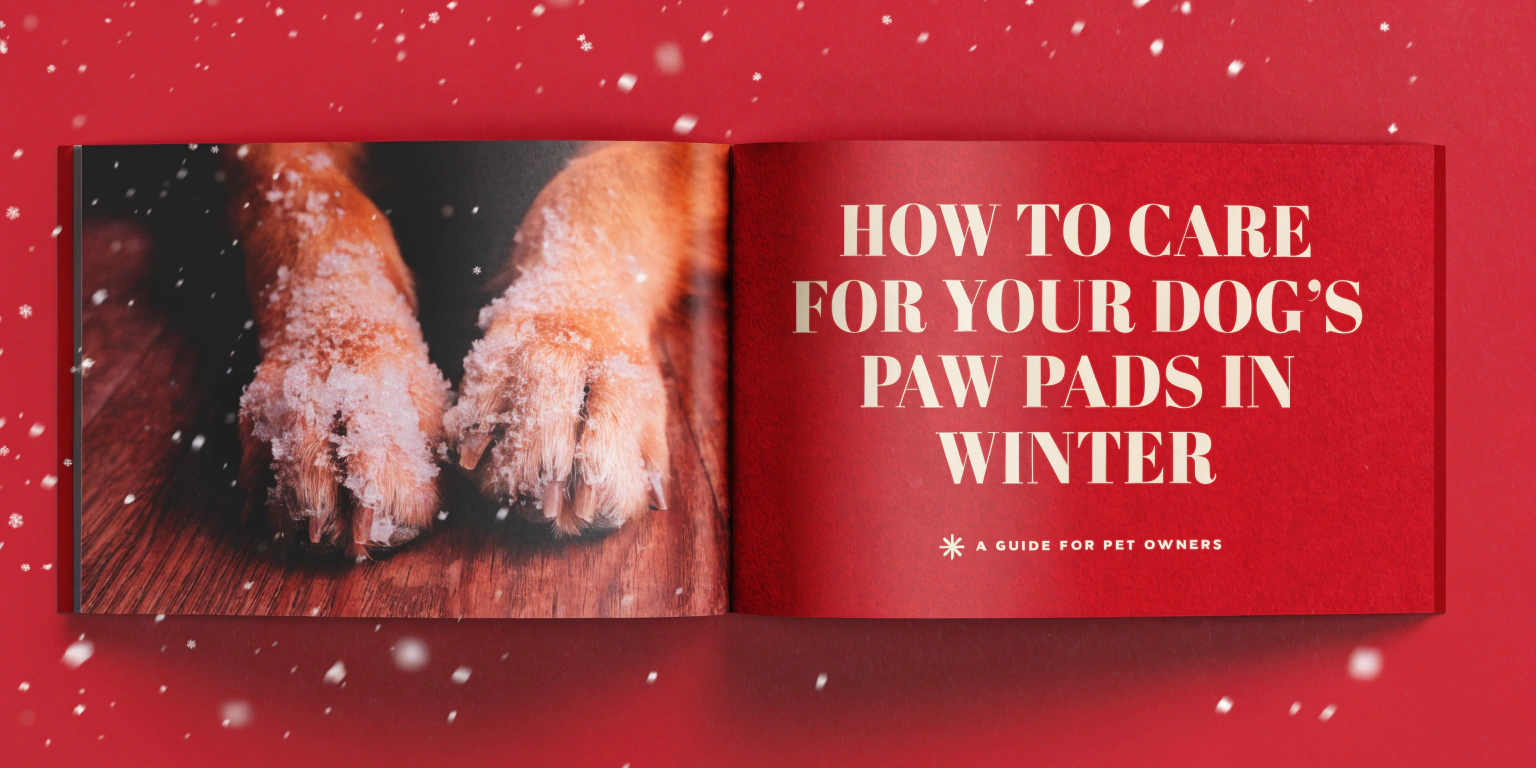
Dog paw pads winter care is essential to ensure your furry friend stays comfortable, safe, and happy during the colder months. Just like humans, dogs can experience discomfort and health issues in winter, but their paws are particularly vulnerable. Snow, ice, salt, and freezing temperatures can cause dryness, cracking, irritation, and even injuries. Many pet owners overlook the importance of paw care, assuming that dogs naturally adapt to harsh weather, but in reality, paw pads require attention and proper maintenance to remain healthy.
The winter season brings a variety of challenges for dogs’ paws. Cold surfaces can make pads dry and brittle, while ice and snow can form clumps between toes, causing discomfort and even frostbite in extreme cases. Salt and chemicals used to melt ice on roads and sidewalks can be corrosive, leading to irritation, burns, and chemical injuries. Dogs with lighter or thinner paw pads may be more susceptible, and certain breeds with long fur or sensitive skin require extra precautions. Recognizing these risks is the first step toward preventing common winter paw problems and ensuring that your dog enjoys outdoor walks safely.
Moisturizing your dog’s paw pads is one of the most effective ways to combat winter dryness. Specialized paw balms, natural oils, or veterinary-recommended creams can help maintain flexibility and hydration. These products create a protective layer on the pads, reducing the risk of cracking and irritation. It is important to apply paw balms regularly, especially after walks in cold or wet conditions. Not only does this keep the pads soft and supple, but it also helps reduce pain and sensitivity when your dog walks on icy or rough surfaces.
Why Winter Paw Care is Important
Why This Matters Now:
In winter, your dog’s paws are exposed to harsh conditions like cold pavement, snow, and salt. These elements can cause dryness, cracking, and irritation. Without proper care, your dog’s paws can become sore, making it uncomfortable for them to walk or play outside. Additionally, salt used to de-ice roads and sidewalks can lead to paw pad burns and infections if not washed off. Winter paw care is essential for ensuring your dog’s comfort and health throughout the colder months.
1. Protecting Your Dog’s Paws from Salt and Chemicals
Wipe paws after walks: Salt and de-icing chemicals can irritate your dog’s paws. After every walk, wipe your dog’s paws with a damp cloth to remove any salt or chemicals that may have been picked up.
Use paw wax or balm: Applying paw balm or wax to your dog’s paws before walks helps create a protective barrier against salt, ice, and other harsh elements.
Boots for protection: Consider using dog boots to protect your dog’s paws from salt, ice, and sharp objects. If your dog is resistant to boots, make sure to clean their paws thoroughly after each walk.
https://youtu.be/ktYP5RMBWIE
2. Moisturizing Your Dog’s Paw Pads
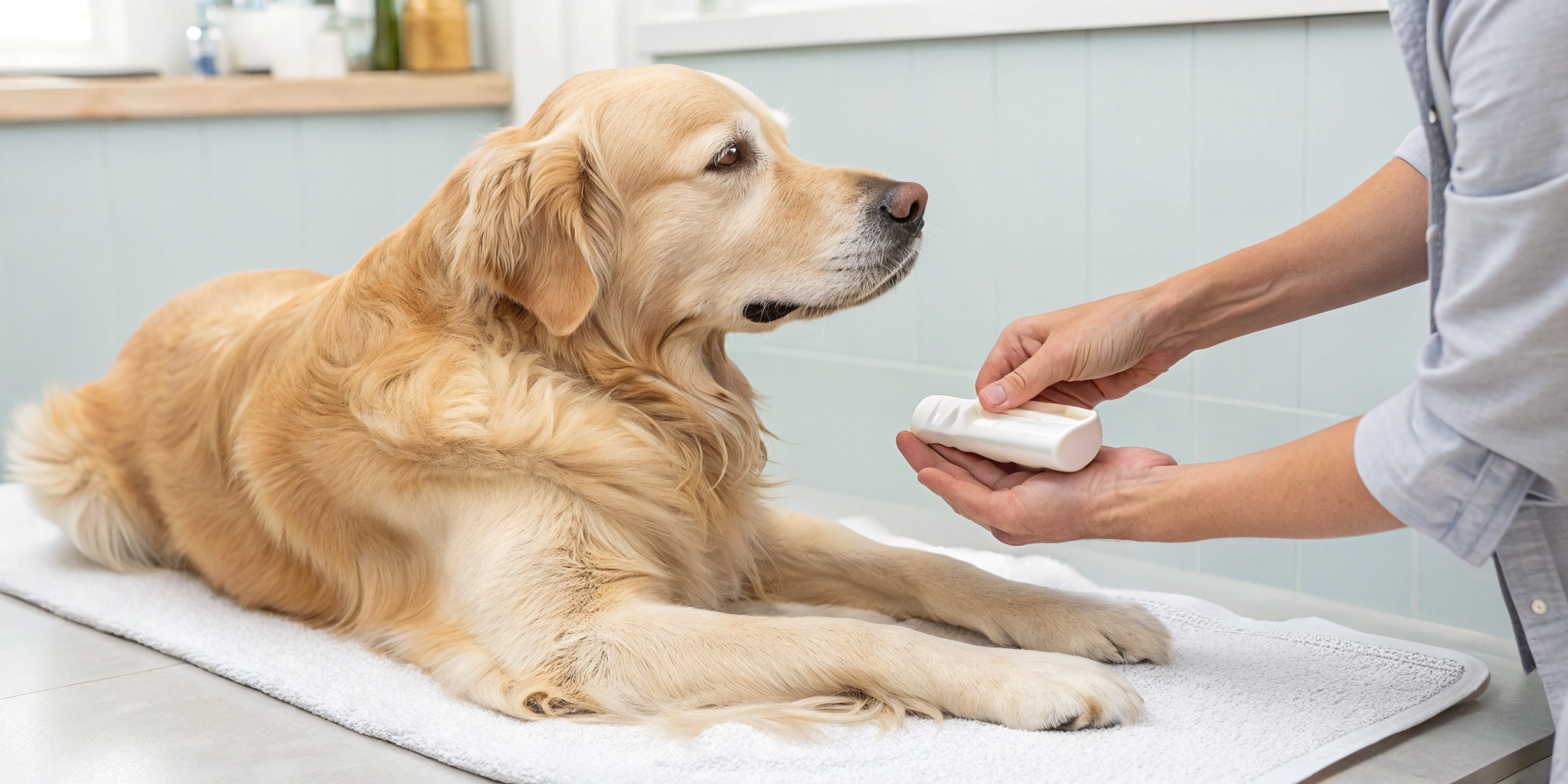
Paw balm for hydration: Cold, dry air can lead to cracked, painful paws. Use a dog-safe paw balm or petroleum jelly to moisturize your dog’s paw pads after walks to prevent dryness and cracking.
Apply regularly: In the winter, apply paw balm at least once a day, especially after walks. This keeps your dog’s paws hydrated and prevents cracking.
Avoid human lotions: Never use human lotions on your dog’s paws, as they may contain ingredients that are harmful to pets.
3. Regular Paw Inspections
Check for cracks or cuts: After each walk, inspect your dog’s paws for any signs of cuts, cracks, or damage. If you notice any injuries, treat them immediately to prevent infection.
Monitor for ice buildup: Ice can accumulate between your dog’s paw pads, causing discomfort and potential injury. Make sure to check your dog’s paws frequently during walks to ensure they aren’t harboring ice or snow.
https://www.youtube.com/watch?v=ANCQ0hyWOcQ&pp=ygUXUmVndWxhciBQYXcgSW5zcGVjdGlvbnM%3D
4. Keeping Your Dog’s Paws Clean
Wash paws after every walk: Snow and ice can leave debris or chemicals on your dog’s paws. Wash their paws with warm water after every outdoor excursion, and dry them thoroughly to prevent irritation.
Use a paw cleaning wipe: If you’re out and about, consider using a dog paw wipe to clean your dog’s paws quickly and easily.
5. Dealing with Paw Injuries in Winter
Dry, cracked paw pads: If your dog’s paw pads are cracked, apply a healing paw balm or ointment to promote recovery. If the cracks are severe, consult your vet for further treatment.
Cuts from ice or sharp objects: If your dog steps on something sharp, clean the wound immediately with warm water and antiseptic, then apply a bandage. If the wound is deep or doesn’t stop bleeding, take your dog to the vet.
Information Gain & Contrarian Analysis:
Many dog owners assume that cold weather doesn’t pose a risk to indoor dogs, but this isn’t true. Even if your dog isn’t spending much time outside, dry indoor heating can still cause paw pads to become cracked and dry. To prevent this, keep your dog’s paws moisturized throughout the winter months, even if they are primarily indoors. Additionally, while paw balm is great for prevention, you should always monitor your dog’s paws for signs of irritation after using any product, as dogs with sensitive skin may have different reactions.
Unique Section: Myth vs. Reality: Dog Booties Are Not Always Necessary
A common myth is that dog booties are always necessary in the winter months. While booties provide excellent protection in extreme conditions like ice and salt, many dogs can manage without them if proper paw care is practiced. Paw balm and regular cleaning can often be just as effective at protecting your dog’s paws. However, booties are a great option for dogs who are walking on rough, salty, or icy surfaces regularly, especially those with sensitive paws.
FAQ
How can I protect my dog’s paws from salt in winter?
Wipe paws after walks and use a dog-safe paw balm before going outside.
Can I use human lotion on my dog’s paw pads?
No, human lotions can be harmful if licked and may irritate your dog’s skin.
How often should I apply paw balm to my dog’s paws?
Once daily in winter or before and after walks if paws are very dry.
Why is my dog’s paw pad cracking in the winter?
Cold air, dry weather, and salt remove moisture from the paw pads.
How can I prevent my dog from getting snow or ice stuck in their paws?
Trim paw hair and apply paw balm or use dog boots.
Should I be using dog boots in winter?
Yes, they protect paws from cold, salt, ice, and rough surfaces.
How can I treat my dog’s cracked paws in the winter?
Clean the paws and apply a healing dog-safe paw balm regularly.
Conclusion:
Caring for your dog’s paws during the winter is essential to keep them comfortable and healthy. With the right precautions—like moisturizing, regular inspections, and using paw protection—you can protect your dog’s paws from the harsh winter elements. By following these tips, you’ll ensure that your dog can enjoy their winter walks without discomfort or injury, allowing them to stay active and happy all season long.
Internal & External Links Suggestions:
Dog Paw Pads Winter Care: Tips for Healthy Paws
Dog Nail Trimming: Safe and Stress-Free Tips for Healthy Paw
External Link: American Kennel Club: Paw Care in Winter