Introduction
Dog paw injuries are common and can affect your dog’s comfort, mobility, and overall health. From hot pavement and sharp objects to cold weather and allergies, a dog’s paws face daily risks that many owners overlook. Knowing how to protect your dog’s paws—and how to treat injuries quickly when they occur—can prevent pain, infections, and long-term damage. In this guide, you’ll learn the most effective ways to prevent dog paw injuries, recognize early warning signs, and provide safe, at-home care to keep your dog’s paws healthy and strong.
Why Dog Paw Injuries Happen
Why This Matters Now:
Dogs use their paws every day, and just like humans, they can get injured while walking, playing, or running. Paw injuries can range from minor cuts to more severe issues like burns or torn pads. Dogs who are active outdoors, especially on rough terrain, are more prone to injuries. Understanding the common causes of paw injuries helps you prevent them and ensure your dog’s paws stay in good condition.
https://www.youtube.com/results?search_query=Why+Dog+Paw+Injuries+Happen
1. Common Causes of Dog Paw Injuries
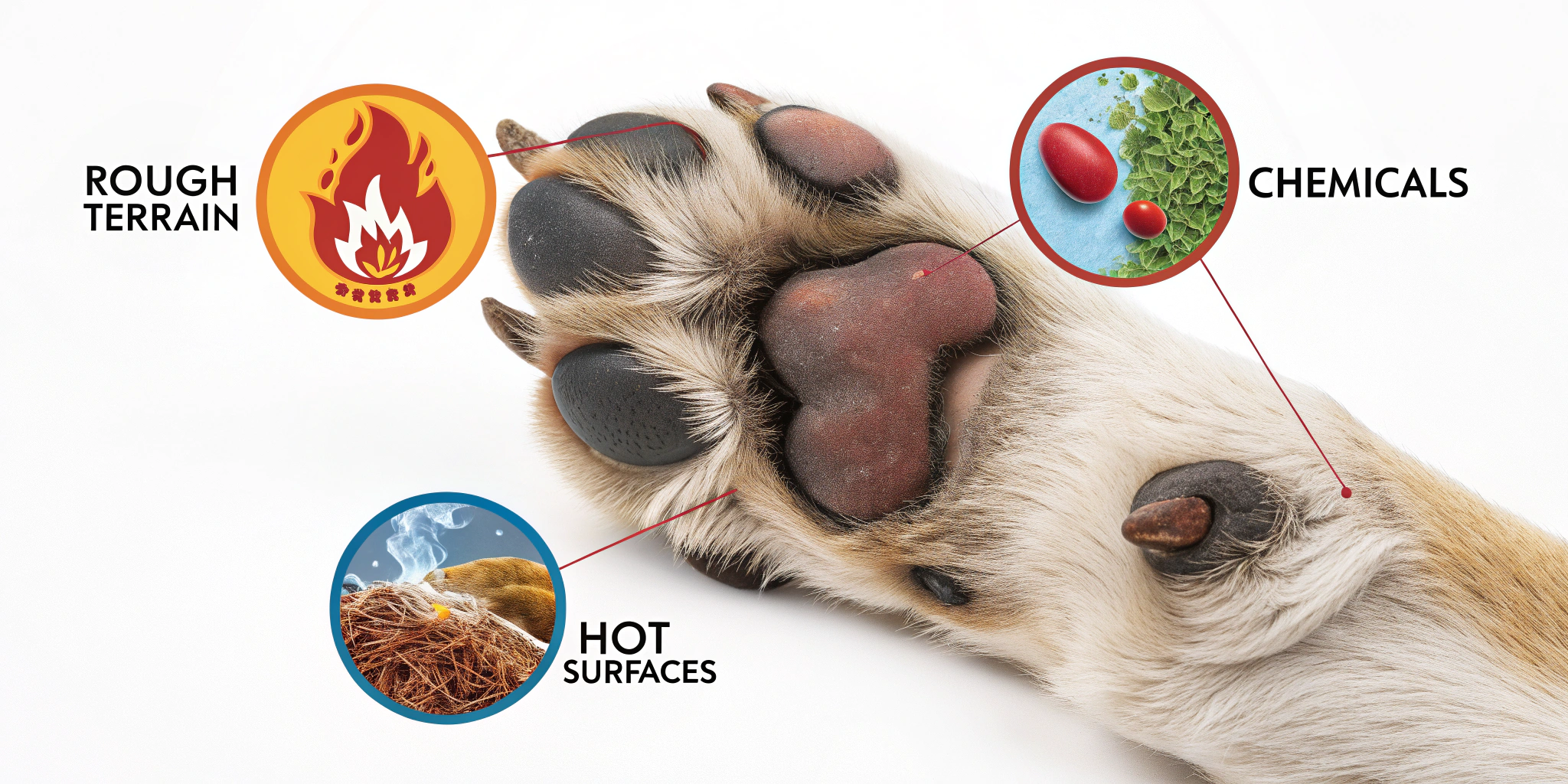
Sharp objects: Broken glass, nails, or sticks can cause cuts and punctures in your dog’s paw pads.
Hot surfaces: Walking on hot pavement, sand, or rough terrain can cause burns on the pads.
Cold weather: Salt used on icy sidewalks in winter can irritate your dog’s paw pads.
Torn nails: If your dog’s nails become too long, they can break or tear, leading to injury.
Allergies: Some dogs develop irritated paws due to allergies to certain grasses or environmental factors.
2. How to Prevent Paw Injuries
Use dog booties: Consider using dog boots or paw covers during walks on hot pavement, ice, or rocky terrain. Booties protect against burns and cuts.
Keep nails trimmed: Long nails can get caught on rough surfaces and tear. Regularly trim your dog’s nails to prevent damage.
Regular paw inspections: Check your dog’s paws after walks for any signs of injury or irritation. Clean and moisturize their paw pads regularly to keep them healthy.
Paw balm for protection: Apply paw balm to moisturize and protect your dog’s paws, especially during extreme weather conditions.
https://www.youtube.com/results?search_query=How+to+Prevent+Paw+Injuries
3. What to Do If Your Dog’s Paw Gets Injured
Clean the wound: If your dog’s paw is cut or scratched, clean the wound with warm water and mild antiseptic. Avoid using hydrogen peroxide, which can irritate the skin.
Stop the bleeding: Apply pressure to the wound with a clean cloth to stop bleeding. If the bleeding doesn’t stop, you may need to take your dog to the vet.
Protect the wound: Use a bandage to protect the injury from dirt and bacteria. Change the bandage regularly to keep the wound clean.
Limit activity: Prevent your dog from running or walking too much to give the paw time to heal.
4. When to See a veterinarian
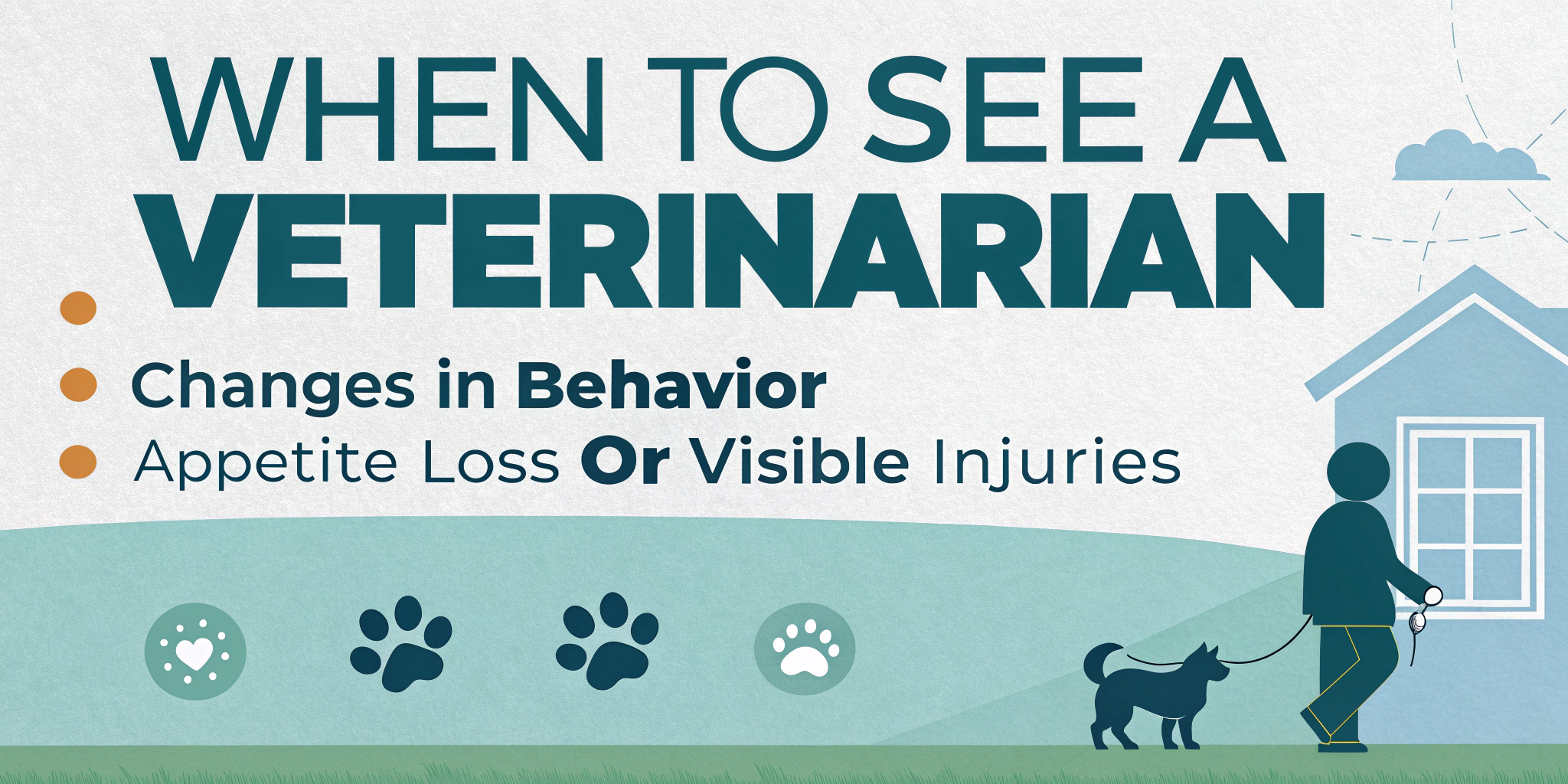
Signs of infection: If the wound becomes red, swollen, or produces pus, it may be infected, and your dog should see a vet.
Severe injuries: If your dog’s paw injury involves deep cuts, torn pads, or a broken bone, it’s important to seek veterinary care immediately.
Limping or discomfort: If your dog continues to limp or shows signs of pain after the injury, visit your vet for a professional assessment
Information Gain & Contrarian Analysis:
Many dog owners focus on treating the injury after it happens, but prevention is the best cure. A lot of paw injuries can be avoided with simple measures like using paw protection during walks or trimming nails regularly. While some may assume that only dogs with long nails or those that play outside a lot are prone to paw injuries, even dogs with short nails and indoor dogs can develop injuries if their paws aren’t regularly cared for. Routine paw care—moisturizing, checking for debris, and avoiding harsh surfaces—can drastically reduce the chances of injuries.
Unique Section: Myth vs. Reality: Are Dog Booties Necessary?
One of the most common myths is that dog booties are unnecessary or that dogs won’t wear them. While some dogs take time to get used to them, dog booties provide excellent protection against extreme weather and rough terrain. They can prevent burns on hot pavement, cuts from sharp objects, and even protect from ice and salt during winter months. Don’t dismiss booties just because your dog might not like them initially—with patience and training, booties can become a valuable part of your dog’s paw protection routine.
FAQ
How do I know if my dog’s paw is injured?
Look for limping, licking, swelling, bleeding, or visible cuts on the paw.
What’s the best way to prevent dog paw injuries?
Keep nails trimmed, paw hair short, and avoid rough or hot surfaces.
How often should I check my dog’s paws?
Check paws daily, especially after walks or outdoor play.
Can dog paw injuries heal on their own?
Minor cuts may heal, but deep or infected injuries need vet care.
How do I treat my dog’s paw injuries at home?
Clean gently, apply a dog-safe antiseptic, and keep the paw protected.
Are dog booties necessary in the winter?
They are helpful to protect paws from ice, salt, and cold surfaces.
How can I moisturize my dog’s paw pads safely?
Use a dog-safe paw balm or coconut oil to keep pads soft and protected.
Conclusion:
Dog paw injuries are common, but with the right precautions and care, they can often be prevented or treated at home. Regular paw inspections, proper protection, and good grooming habits can help keep your dog’s paws healthy and comfortable. In case of injury, quick action can prevent further complications and ensure a smooth recovery. With proper paw care, your dog can stay active and pain-free, enjoying their daily walks and adventures.
Internal & External Links Suggestions:
Trimming Dog Nails for Sensitive Dogs: Stress-Free Tips & Techniques
Dog Nail Trimming Tools: How to Choose the Best Clippers & Grinders
External Link: American Kennel Club: Paw Health Tips