Introduction
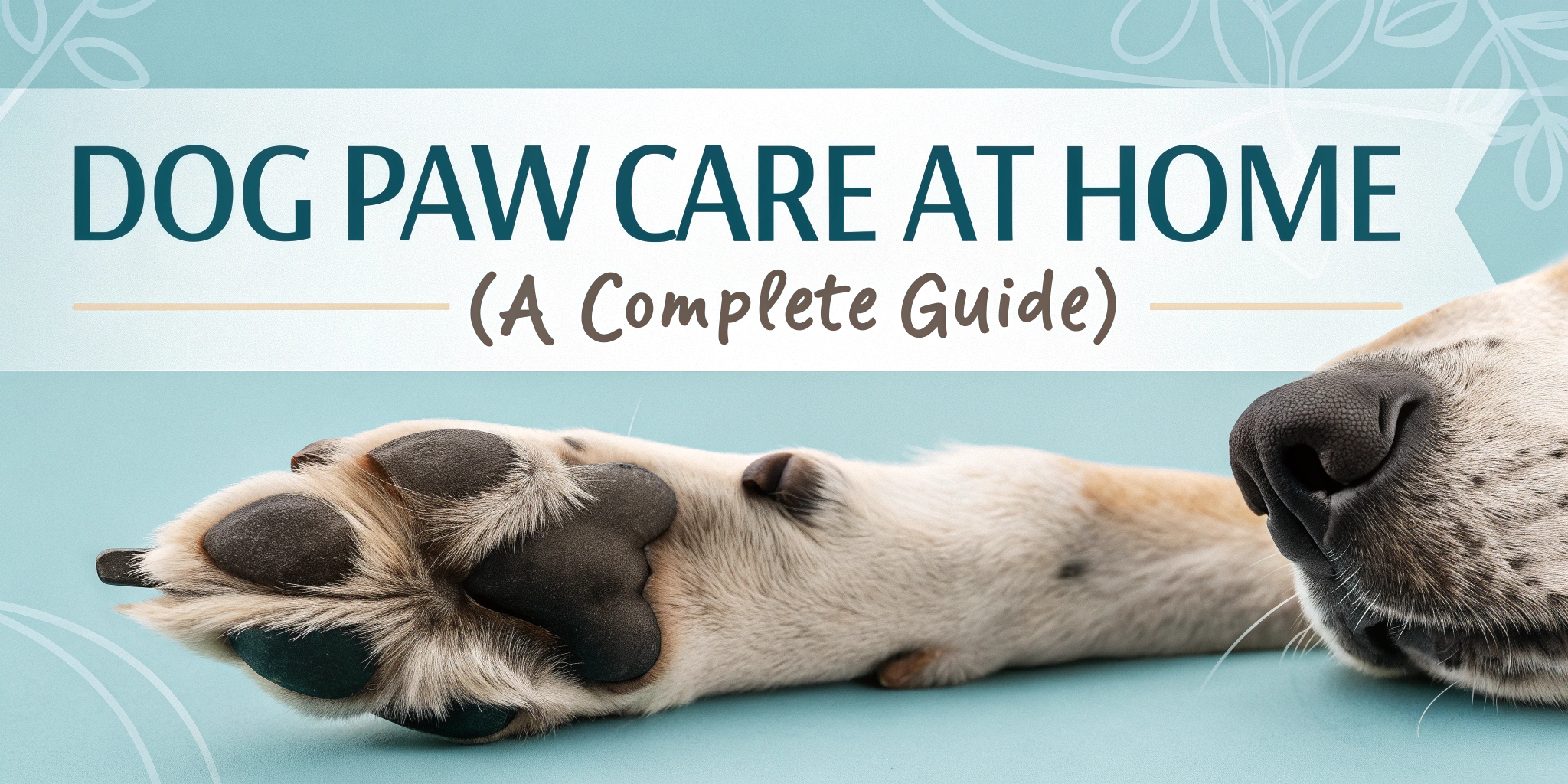
Dog Paw Care at Home is essential for keeping your furry friend healthy and active. Proper paw care prevents injuries, infections, and discomfort caused by rough surfaces, weather, or debris. Regular cleaning, nail trimming, and pad protection ensure your dog’s paws stay soft, strong, and pain-free. This guide provides simple steps to maintain happy and healthy paws at home.
Why Paw Care Matters
Why This Matters Now:
Dogs rely on their paws for walking, running, and exploring. Neglecting paw care can lead to cracked pads, fungal infections, or painful injuries. Regular inspection and care not only improve paw health but also prevent long-term issues and costly veterinary visits.
1. Inspecting Your Dog’s Paws
Check pads, nails, and webbing for cuts, cracks, or redness.
Remove debris such as small stones, thorns, or ice.
Look for signs of infection or irritation like swelling or discharge.
2. Cleaning Your Dog’s Paws
Use lukewarm water and a mild dog-friendly soap if needed.
Gently wipe between toes to remove dirt or mud.
Dry thoroughly to prevent fungal growth.
Optional: use paw wipes for quick cleaning after walks.

3. Moisturizing and Protecting Paws
Apply dog-safe paw balms or oils to prevent cracks.
Avoid human lotions; they may be toxic.
In winter, consider booties or paw wax for ice/salt protection.
In summer, check for hot pavement burns and use paw balms for cushioning.
4. Nail and Paw Hair Maintenance
Trim nails gradually using quality clippers.
Keep hair between paw pads trimmed to prevent mats or dirt accumulation.
Inspect nails for splits or cracks regularly.
5. Seasonal Paw Care Tip
Winter: Protect against ice, salt, and frostbite. Clean paws after walks.
Summer: Avoid hot pavement burns. Walk during cooler hours.
Rainy season: Dry paws completely to prevent fungal infections.
6. Post-Paw Care Tips
Reward your dog with treats to make paw care a positive experience.
Keep a regular paw-care routine at least 2–3 times per week.
Check for changes in gait or limping which could indicate paw problems.
Information Gain & Contrarian Analysis:
Many guides focus only on trimming nails or washing paws. However, moisturizing, seasonal protection, and paw hair maintenance are equally important. Neglecting these can lead to cracked pads, fungal infections, and pain.
Unique Section: Myth vs. Reality: Dog Paw Care
Myth: Paws don’t need moisturizing.
Reality: Dry pads crack easily, especially in extreme weather.
Tip: Use dog-safe moisturizers and check paws after every walk.
https://youtu.be/-ea6Bng_gVQ
FAQ
Q1: How often should I clean my dog’s paws?
Clean after every outdoor walk or at least 2–3 times a week.
More frequent cleaning is needed in winter (salt/ice) or after muddy walks.
Q2: Can I use human lotion on my dog’s paws?
No. Human lotions may contain toxic ingredients for dogs. Always use dog-safe paw balms.
Q3: How can I prevent paw injuries in summer and winter?
Summer: walk in shaded areas, avoid hot pavement, use paw wax.
Winter: use booties, clean salt off paws, moisturize regularly.
Q4: How do I trim paw hair safely?
Use blunt-ended scissors to carefully trim hair between pads.
Keep hair short but not too close to the skin to prevent irritation.
Q5: What signs indicate a paw infection?
Redness, swelling, discharge, foul odor, or limping.
Consult a vet if symptoms persist after home cleaning and care.
Conclusion:
Caring for your dog’s paws at home ensures comfort, prevents injuries, and promotes long-term paw health. Regular inspection, cleaning, moisturizing, and seasonal protection keep your dog happy and active. Incorporate paw care into your routine to avoid costly treatments and keep your dog walking comfortably.
Internal & External Links Suggestions:
Dog Paw, Nail & Coat Health: Essential Care Tips for Happy Dogs
Dog Paw Care at Home: Complete Guide for Healthy Paws
External Link: American Kennel Club: Dog Paw Care